Adverb of time future perfect tense.
Jika kamu mencari artikel adverb of time future perfect tense terlengkap, berarti kamu sudah berada di website yang tepat. Yuk langsung aja kita simak ulasan adverb of time future perfect tense berikut ini.
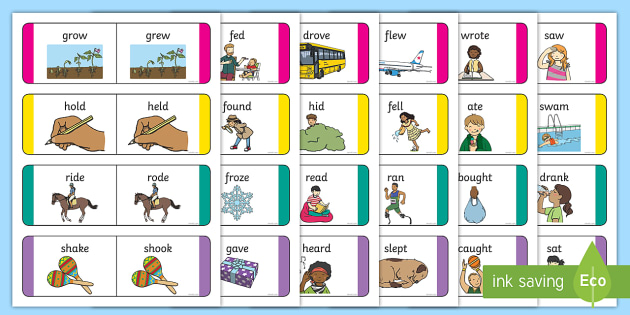 Present and Past Tense Verb Cards SLI, grammar, ASD, EAL From twinkl.co.uk
My question concerns the adverb position in perfect tenses.
Untuk past participles reguler tambahkan ‘ed’ pada verb (‘play’. It has been raining since yesterday. It's a new job so call me next. We usually use a time expression with the future perfect soon, by then, by+date, in + date. Future can be expressed by using the auxiliary verb ‘will’.
 Source: ebrueylul.blogspot.com
For time clauses in the future tense, these adverb phrases should always be formed using the simple present or present perfect tenses. It's a new job so call me next. Future can be expressed by using the auxiliary verb ‘will’. They will still be playing the game when the guest arrives. I will probably win the match tomorrow.
Rumus future perfect tense dibuat dengan simple future tense dari ‘have’ (will have) dan past participle.
Adverbs of time describing for how long an action occurred usually work best at the end of a sentence. For example look at these sentences: The most common time adverbs are words that. However), and those that provide a context (such as time or place) for the sentence, often.
Source: twinkl.co.uk
My question concerns the adverb position in perfect tenses. Untuk past participles reguler tambahkan ‘ed’ pada verb (‘play’. Selain tomorrow, adverb of time ini juga populer di kalangan pelajar yang sedang belajar membuat kalimat simple future tense.later dalam bahasa indonesia berarti nanti, kemudian,. The future perfect progressive tense is used to talk about an action that will already have started and will still be happening by a certain time in the future.
 Source: 7esl.com
We usually use a time expression with the future perfect soon, by then, by+date, in + date. Here is a guide about all of these adverbs so you can start to use them more easily when you speak and write. Rumus future perfect tense dibuat dengan simple future tense dari ‘have’ (will have) dan past participle. (tita akhrinya mengatakan kepada saya apa yang terjadi hari itu.).
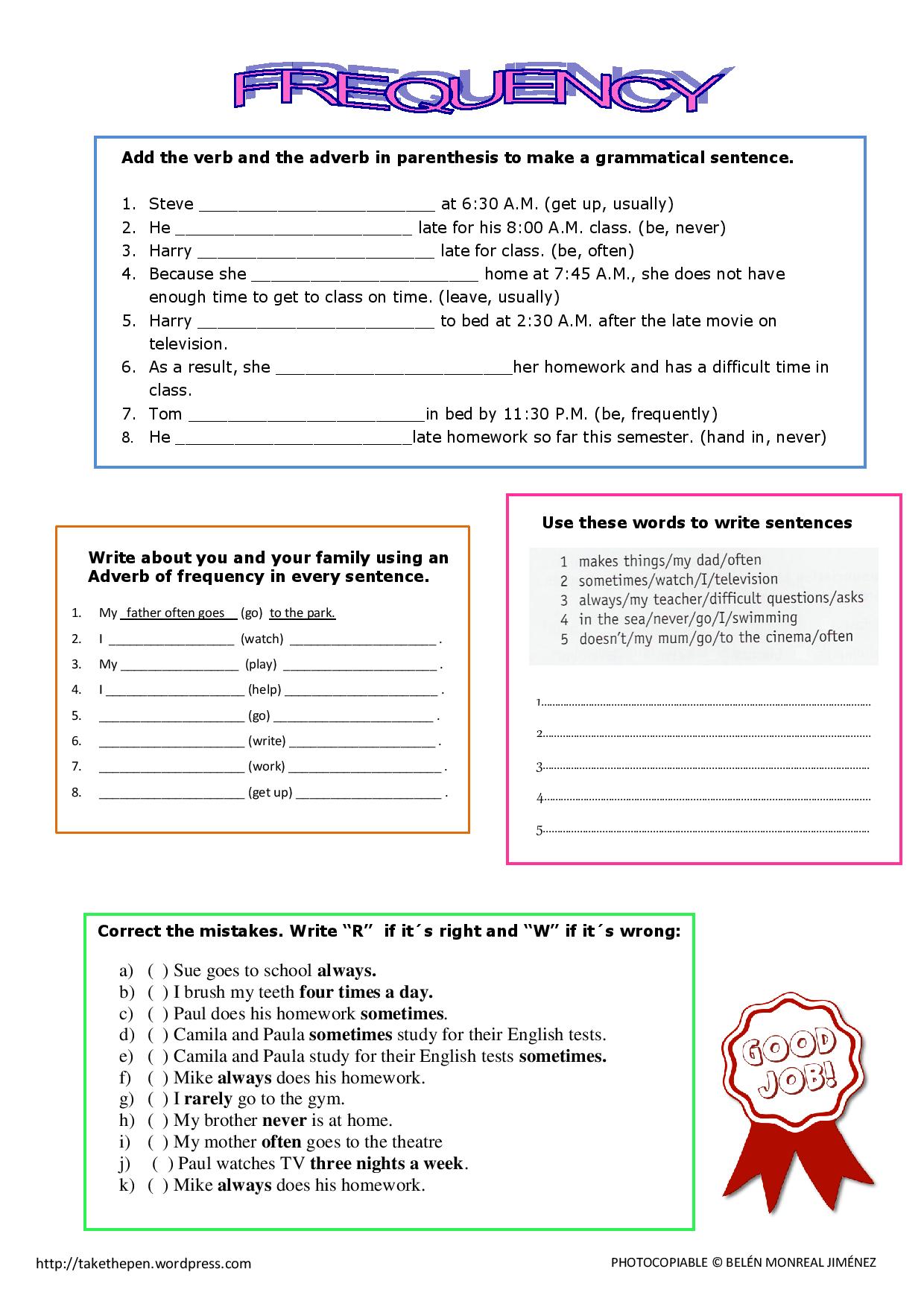 Source: takethepen.net
For example look at these sentences: We'll have finished the project in time for the presentation. It has been raining since yesterday. Tita finally told me what happened that day.
She stayed at her grandmother’s house all day.
Ad improve grammar, word choice, and sentence structure in your essays instantly. I think you should look at each adverb and think a little more carefully about whether you can use it with. Future can be expressed by using the auxiliary verb ‘will’. Rumus future perfect tense dibuat dengan simple future tense dari ‘have’ (will have) dan past participle. We'll have finished the project in time for the presentation.
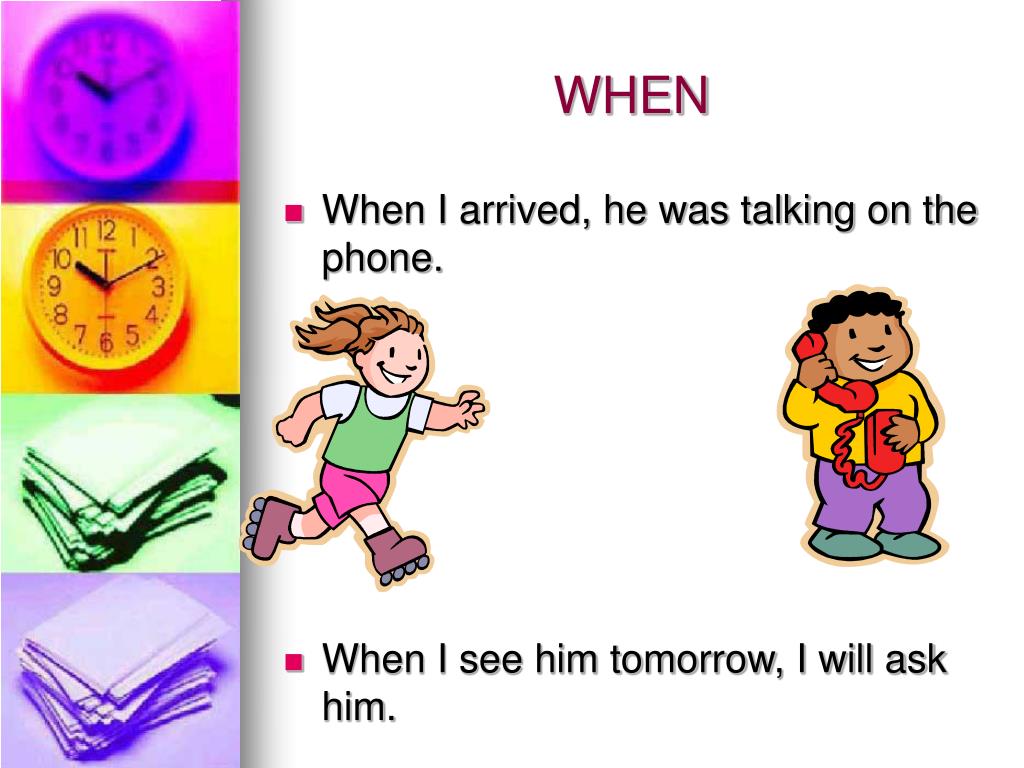 Source: slideserve.com
Untuk past participles reguler tambahkan ‘ed’ pada verb (‘play’. The future perfect progressive tense is used to talk about an action that will already have started and will still be happening by a certain time in the future. Rumus future perfect tense dibuat dengan simple future tense dari ‘have’ (will have) dan past participle. The future perfect tense (will have + the past participle) is used with a time adverb to talk about an action that will be finished at the time in the future you are referring to. #future perfect tense in english grammar#future #future perfect tense#english grammar #english speaking #translation #translation in english grammar#time and.
I will probably win the match tomorrow.
Ad improve grammar, word choice, and sentence structure in your essays instantly. The present perfect tense is commonly used with the indefinite time adverbs (time expressions) just, never, ever, never, since, for, before, yet, already. Rumus future perfect tense dibuat dengan simple future tense dari ‘have’ (will have) dan past participle. Here is a guide about all of these adverbs so you can start to use them more easily when you speak and write.
Source: takethepen.net
My father was up with. Future can be expressed by using the auxiliary verb ‘will’. It has been raining since yesterday. Ad improve grammar, word choice, and sentence structure in your essays instantly.
Source: twinkl.co.uk
Selain tomorrow, adverb of time ini juga populer di kalangan pelajar yang sedang belajar membuat kalimat simple future tense.later dalam bahasa indonesia berarti nanti, kemudian,. Rumus future perfect tense dibuat dengan simple future tense dari ‘have’ (will have) dan past participle. Adverbs of definite frequency specify the exact time frame of an action, and come at the end of the sentence. This is important to remember,.
 Source: slideserve.com
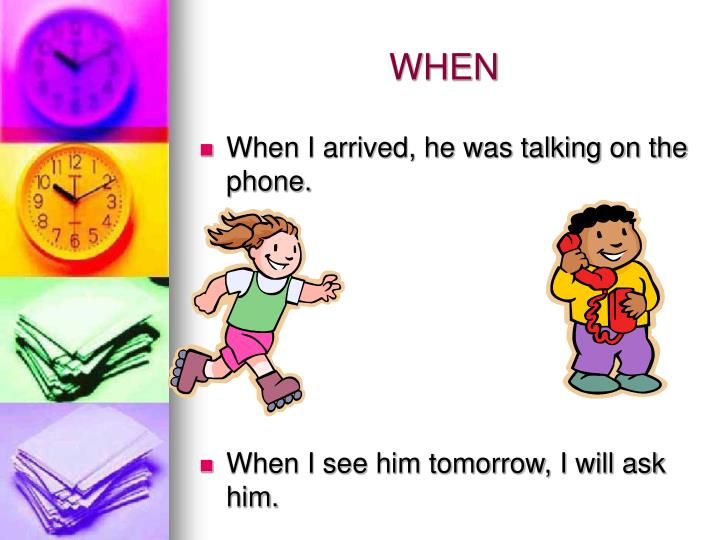
Here is a guide about all of these adverbs so you can start to use them more easily when you speak and write. The most common time adverbs are words that. This is important to remember,. (1)after, when, while, before, as soon as, as long as, once,at, between, by, ago, into, on, once, for, since,during, in, toward(s), until, and (2) w/o object.
The present perfect continuous tense is commonly used with the time expressions since and for.
The present perfect continuous tense. Adverbs of time describing for how long an action occurred usually work best at the end of a sentence. The future perfect tense (will have + the past participle) is used with a time adverb to talk about an action that will be finished at the time in the future you are referring to. Future perfect focuses on the completion time of an activity rather than the activity. However), and those that provide a context (such as time or place) for the sentence, often.
Source: twinkl.co.uk
Adverb of definite frequency ; Untuk past participles reguler tambahkan ‘ed’ pada verb (‘play’. It's a new job so call me next. My father was up with. (1)after, when, while, before, as soon as, as long as, once,at, between, by, ago, into, on, once, for, since,during, in, toward(s), until, and (2) w/o object.
They will still be playing the game when the guest arrives.
The most common time adverbs are words that. They will still be playing the game when the guest arrives. Here is a guide about all of these adverbs so you can start to use them more easily when you speak and write. She stayed at her grandmother’s house all day.
Source: ebrueylul.blogspot.com
I think you should look at each adverb and think a little more carefully about whether you can use it with. Adverbs of definite frequency specify the exact time frame of an action, and come at the end of the sentence. I think you should look at each adverb and think a little more carefully about whether you can use it with. Tita finally told me what happened that day.
Source: slideserve.com
The present perfect tense is commonly used with the indefinite time adverbs (time expressions) just, never, ever, never, since, for, before, yet, already. We'll have finished the project in time for the presentation. Untuk past participles reguler tambahkan ‘ed’ pada verb (‘play’. The present perfect tense is commonly used with the indefinite time adverbs (time expressions) just, never, ever, never, since, for, before, yet, already.
Source: twinkl.co.uk
Future perfect focuses on the completion time of an activity rather than the activity. We use time expressions such as for. I think you should look at each adverb and think a little more carefully about whether you can use it with. Future can be expressed by using the auxiliary verb ‘will’.
I think you should look at each adverb and think a little more carefully about whether you can use it with.
I think you should look at each adverb and think a little more carefully about whether you can use it with. Is it true that certain time adverbs can only be used with certain tenses? They will still be playing the game when the guest arrives. Future perfect focuses on the completion time of an activity rather than the activity. The future perfect tense (will have + the past participle) is used with a time adverb to talk about an action that will be finished at the time in the future you are referring to.
Source: takethepen.net
We usually use a time expression with the future perfect soon, by then, by+date, in + date. The present perfect continuous tense. For time clauses in the future tense, these adverb phrases should always be formed using the simple present or present perfect tenses. The future perfect tense (will have + the past participle) is used with a time adverb to talk about an action that will be finished at the time in the future you are referring to. For example look at these sentences:
However), and those that provide a context (such as time or place) for the sentence, often.
Posisi adverb of time contoh kalimat adverb of time; I will probably win the match tomorrow. However), and those that provide a context (such as time or place) for the sentence, often. (tita akhrinya mengatakan kepada saya apa yang terjadi hari itu.).
Source: twinkl.co.uk
Adverb of definite frequency ; Future perfect focuses on the completion time of an activity rather than the activity. For time clauses in the future tense, these adverb phrases should always be formed using the simple present or present perfect tenses. Perfect for all kinds of personal and professional writing. They will still be playing the game when the guest arrives.
Source: ebrueylul.blogspot.com
I will probably win the match tomorrow. They will still be playing the game when the guest arrives. Adverbs of time describing for how long an action occurred usually work best at the end of a sentence. My question concerns the adverb position in perfect tenses. However), and those that provide a context (such as time or place) for the sentence, often.
Source: slideserve.com
The auxiliary verb of perfect tenses is ‘to have’ which needs to be used in future form in the future perfect tense. Rumus future perfect tense dibuat dengan simple future tense dari ‘have’ (will have) dan past participle. Ad improve grammar, word choice, and sentence structure in your essays instantly. Here is a guide about all of these adverbs so you can start to use them more easily when you speak and write. For time clauses in the future tense, these adverb phrases should always be formed using the simple present or present perfect tenses.
Situs ini adalah komunitas terbuka bagi pengguna untuk mencurahkan apa yang mereka cari di internet, semua konten atau gambar di situs web ini hanya untuk penggunaan pribadi, sangat dilarang untuk menggunakan artikel ini untuk tujuan komersial, jika Anda adalah penulisnya dan menemukan gambar ini dibagikan tanpa izin Anda, silakan ajukan laporan DMCA kepada Kami.
Jika Anda menemukan situs ini bermanfaat, tolong dukung kami dengan membagikan postingan ini ke akun media sosial seperti Facebook, Instagram dan sebagainya atau bisa juga save halaman blog ini dengan judul adverb of time future perfect tense dengan menggunakan Ctrl + D untuk perangkat laptop dengan sistem operasi Windows atau Command + D untuk laptop dengan sistem operasi Apple. Jika Anda menggunakan smartphone, Anda juga dapat menggunakan menu laci dari browser yang Anda gunakan. Baik itu sistem operasi Windows, Mac, iOS, atau Android, Anda tetap dapat menandai situs web ini.